Substance Abuse Rehab: A Complete Overview to Recovery
Substance Abuse is just one of the most important health and social obstacles dealt with by communities and people worldwide. It usually starts as a coping mechanism for psychological distress, injury, or tension, yet can swiftly develop right into a dependency that affects every location of life-- psychological wellness, partnerships, work, and overall wellness. The effects of addiction are extensive and extreme, often resulting in physical illnesses, monetary troubles, and social seclusion. This is why rehabilitation programs exist: to help individuals restore their lives and reclaim control over their futures.
Comprehending Substance Abuse and the Requirement for Recovery
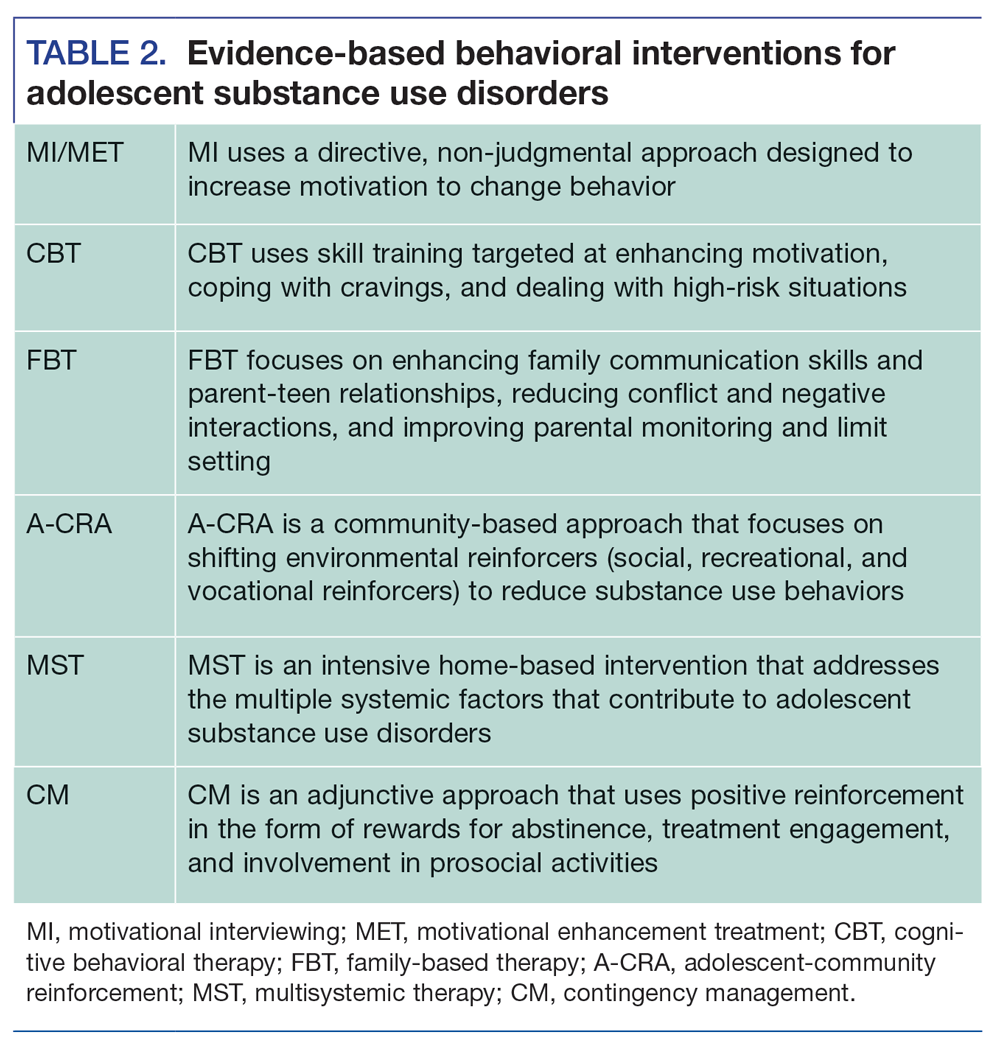
Recovery centers are developed to deal with the source of dependency instead of just the signs. A thorough rehabilitation program involves detoxification, therapy, behavioral therapy, and education on relapse prevention. Individuals learn to acknowledge triggers and establish healthier methods to handle stress and anxiety and emotions. Oftentimes, rehab is not practically giving up medicines or alcohol-- it's concerning uncovering a brand-new feeling of function and balance. These centers offer a supportive environment where recovery is not only feasible yet lasting.
The course to healing needs guts and commitment, but with the right therapy, also the most severe instances of dependency can be effectively handled. Rehab programs use a structured approach that combines clinical knowledge, psychological assistance, and peer encouragement. Each program is customized to the person's requirements, guaranteeing a customized experience that promotes lasting sobriety. Whether a person battles with alcohol, prescription medication, or immoral medications, getting in a recovery program is commonly the very first and most critical action toward long lasting recovery.
Inpatient vs. Outpatient Rehabilitation: Which Option Is Right for You?
When determining to look for therapy for Substance Abuse, one of the most crucial choices entails selecting in between outpatient and inpatient rehabilitation programs. Both methods have their advantages, and the best selection mostly depends upon the person's certain needs, dependency severity, and individual conditions. Inpatient rehab, likewise known as property rehabilitation, requires individuals to live at the treatment center full-time. This permits continuous medical guidance, structured schedules, and a distraction-free atmosphere perfect for intensive healing. On the other hand, outpatient rehab uses better flexibility, enabling people to go to therapy sessions throughout the day while still living at home and maintaining individual or professional responsibilities.
Inpatient rehab is finest matched for people who need clinical detoxing, endure from long-term dependency, or have previously fallen back. The immersive setting makes certain that patients are shielded from outside lures and stress factors that can cause a regression. Daily therapy sessions, medical monitoring, and group activities help clients stay concentrated on recuperation. In comparison, outpatient rehabilitation is frequently optimal for those with light to modest dependency or solid assistance systems in your home. This type of program enables individuals to continue attending or working school while receiving regular treatment and assistance.
Inevitably, the option in between inpatient and outpatient rehab depends upon multiple factors such as dependency kind, clinical requirements, and lifestyle. Some individuals also change from inpatient to outpatient treatment as they advance in their healing journey - Inpatient rehab. Both programs share the very same best objective-- helping patients keep and attain soberness-- yet the degree of framework and support varies. An extensive evaluation by dependency professionals can aid establish one of the most efficient treatment strategy, making certain that each specific gets the care and interest they need to flourish beyond addiction
The Price important Abuse Rehabilitation and Monetary Considerations
One of the most usual problems for people and family members seeking addiction treatment is the cost of rehabilitation. While costs vary commonly depending on the facility, program type, and size of remain, it is necessary to view rehab as a financial investment in one's wellness and future instead than just a cost. The expense of untreated addiction-- consisting of lost efficiency, legal concerns, clinical complications, and damaged relationships-- often much exceeds the price of specialist treatment. Fortunately, lots of rehab facilities now supply versatile payment alternatives, insurance policy protection, and financial help to make treatment more obtainable.
Since they include accommodation, dishes, and 24-hour medical supervision, inpatient rehabilitation programs often tend to be a lot more expensive than outpatient programs. Luxury rehabilitation centers with premium facilities, private spaces, and holistic treatments can set you back dramatically much more, while community-based or charitable rehabs usually supply budget friendly or even free treatment alternatives. Outpatient rehab is normally less expensive given that it doesn't need overnight remains, but the overall expense can still differ depending on the duration and intensity of the program. Some insurance policy intends cover complete or partial prices for rehabilitation, specifically if the therapy is regarded clinically necessary.
Financial barriers ought to never stop somebody from looking for aid. Many therapy facilities understand the monetary stress that dependency causes and are ready to deal with patients to develop manageable layaway plan. Some provide moving scale fees based on earnings, while others get federal government funding to sustain those in demand. When examining costs, it's likewise crucial to consider the long-lasting advantages: improved health and wellness, brought back relationships, and an opportunity at a more next page secure and productive life. Healing is priceless, and the expense of rehab is often the secret to unlocking a future without the chains of dependency.
Functions and Facilities of a Top Quality Rehab Center
The atmosphere in which healing occurs plays a critical role in the success of a rehab program. A high quality rehab facility is greater than just a clinical facility-- it is a healing shelter designed to nurture the spirit, mind, and body. The finest centers integrate evidence-based medical treatments with comfortable living arrangements and healing settings. Patients ought to really feel safe, supported, and inspired as they browse their recuperation journey. Modern rehabilitation centers commonly include private or semi-private rooms, peaceful outside rooms, nourishing dishes, and recreational activities that promote wellness and relaxation.
Beyond comfort, the crucial functions of a respectable rehabilitation center include expert team, individualized therapy plans, and a broad array of restorative options (addiction treatment). Multidisciplinary teams of doctors, specialists, therapists, and assistance staff collaborate to design a tailored program for each person. Evidence-based therapies like Cognitive Behavior Therapy (CBT), Dialectical Behavior Modification (DBT), and inspirational interviewing are integrated with alternative therapies such as yoga, meditation, art therapy, and physical fitness programs. This integrated technique addresses not simply the addiction itself, however also the emotional and emotional elements adding to it
Furthermore, the most effective rehab centers emphasize long-term and aftercare support. When a client leaves the center; keeping soberness needs continuous assistance and responsibility, healing does not end. Many facilities use alumni programs, team therapy sessions, and community reintegration services to make sure continued development. Facilities that provide a continuum of treatment-- from detoxification to outpatient support-- often tend to produce one of the most successful results. The total goal is to develop an environment where people can heal totally, restore their self-confidence, and come back the world with self-confidence and stability.
Benefits of Substance Abuse Rehab Programs
Registering in a chemical abuse rehab program supplies various advantages that prolong far beyond getting over dependency itself. Among the most significant benefits is the organized environment that rehabilitation gives. Individuals battling with addiction commonly live in mayhem or uncertainty, yet rehabilitation introduces stability and regimen. Every facet of life-- from therapy sessions to meals and remainder-- is prepared with objective, aiding patients develop self-discipline and consistency. This framework comes to be a structure for constructing a sober lifestyle and reducing the danger of regression after therapy.
An additional major advantage of rehab is the professional support offered all the time. Addiction is not just a physical dependence; it's also a psychological and emotional struggle. Within a rehab center, individuals have accessibility to doctor who can securely take care of withdrawal symptoms, as well as therapists who focus on treating the psychological facets of recovery. This level of care guarantees that clients are never alone in their battles. Team treatment sessions likewise give a feeling of community, allowing individuals to get in touch with others who understand their challenges and can share their experiences.
Substance Abuse rehabilitation gears up patients with lifelong tools for maintaining sobriety. Via education and learning, regression, and treatment prevention planning, people discover to determine triggers, handle stress and anxiety, and make much healthier life selections. Rehab assists top article them rebuild busted connections and discover passions and objectives that were lost throughout dependency. It's a transformative process that recovers confidence, psychological equilibrium, and hope. The supreme benefit of rehabilitation is that it doesn't just save lives-- it reconstructs them, helping individuals discover their worth and create a brighter, addiction-free future.
The Course Ahead: Structure a Life Beyond Addiction
When the rehab program does-- it's a recurring procedure that requires commitment, self-awareness, and support, recuperation does not finish. After completing therapy, individuals have to learn to rehabilitate into their everyday lives while maintaining the lessons they have actually acquired in rehab. This includes establishing healthy and balanced coping techniques, preventing atmospheres related to Substance use, and surrounding themselves with favorable influences. Lots of people continue with outpatient treatment or sign up with support system like Narcotics Anonymous (NA) or Alcoholics Anonymous (AA) to remain connected and answerable to the recovery neighborhood.
A strong aftercare plan is necessary for long-lasting success. Rehab centers that offer follow-up counseling, peer assistance, and Related Site regression avoidance programs offer people the ideal possibility of preserving sobriety. Building a brand-new way of living could include going after education, volunteering, or discovering brand-new pastimes that reinforce positive actions (Inpatient rehab). Family members also play an important role in the recovery procedure; when liked ones join family members treatment and healing education, they come to be an energetic part of the assistance system, minimizing the danger of regression
Inpatient rehab, also known as domestic rehab, calls for people to live at the therapy facility full-time. Inpatient rehabilitation programs often tend to be extra costly than outpatient programs since they include accommodation, meals, and 24-hour medical guidance. High-end rehabilitation facilities with high-end facilities, personal rooms, and all natural treatments can cost considerably more, while community-based or charitable rehabilitations typically provide budget-friendly or even free therapy alternatives. Healing does not finish when the rehab program does-- it's a recurring procedure that requires assistance, self-awareness, and dedication. Rehabilitation centers that provide follow-up counseling, peer assistance, and regression prevention programs provide individuals the finest chance of preserving sobriety.